

Forex trading has gained immense popularity over the years, becoming one of the largest and most liquid markets in the world. In this article, we’ll explore the basics of forex trading, the strategies involved, and how platforms like forex trading site kuwait-tradingplatform.com can facilitate your trading journey.
What is Forex Trading?
Forex, short for foreign exchange, involves trading currencies in pairs, such as EUR/USD or GBP/JPY. The primary goal is to profit from changes in currency values. Unlike other financial markets, forex operates 24 hours a day, five days a week, allowing traders from all around the world to participate at their convenience.
Understanding Currency Pairs
In the forex market, currencies are traded in pairs. A currency pair consists of a base currency and a quote currency. The base currency is the first currency listed in the pair, and the quote currency is the second. For example, in the EUR/USD pair, EUR is the base currency, while USD is the quote currency. If you believe that the Euro will increase in value against the Dollar, you would buy EUR/USD. Conversely, if you think the Euro will decrease, you would sell it.
Types of Currency Pairs
1. **Major Pairs**: These include the most traded currencies and are typically highly liquid, such as EUR/USD, USD/JPY, and GBP/USD.
2. **Minor Pairs**: These pairs do not involve the USD and can be less liquid, examples include EUR/GBP and AUD/NZD.
3. **Exotic Pairs**: These pair major currencies with currencies from emerging markets, such as USD/TRY or EUR/ZAR.
Starting Your Forex Trading Journey
Before diving into forex trading, it’s essential to understand the fundamentals and develop a trading plan. Here’s a step-by-step guide to get you started:
1. Educate Yourself
Knowledge is power. Take the time to educate yourself about the forex market, trading strategies, and economic indicators. Many resources are available, including online courses, webinars, and trading forums.
2. Choose a Reliable Trading Platform
Selecting a reputable trading platform is crucial for your success. Look for a platform that offers a user-friendly interface, robust analytical tools, and a variety of trading options. Always verify the platform’s regulation and reviews before committing.
3. Practice with a Demo Account
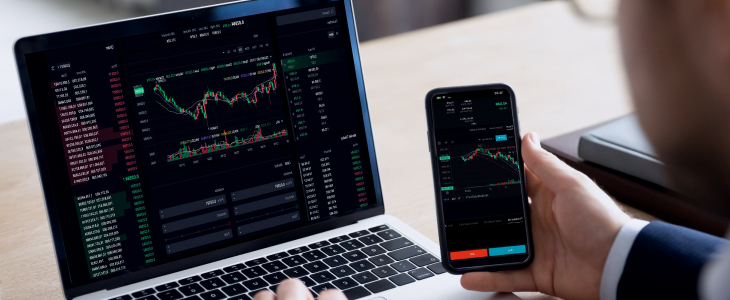
Most trading platforms provide demo accounts that allow you to practice trading without risking real money. Use this opportunity to familiarize yourself with the platform’s features and to test your trading strategies.
4. Develop a Trading Strategy
A well-defined trading strategy is necessary to make informed decisions. This could include technical analysis, fundamental analysis, or a combination of both. Establish your trading goals, risk tolerance, and the amount of capital you are willing to invest.
Trading Strategies
There are numerous strategies that traders implement in forex trading. Here are a few popular ones:
1. Scalping
Scalping involves making multiple trades throughout the day, aiming to profit from small price movements. It requires quick decision-making and a keen understanding of market trends.
2. Day Trading
Day trading entails opening and closing trades within the same day to capitalize on short-term market fluctuations. Day traders often rely on technical analysis and market indicators to guide their trades.
3. Swing Trading
Swing trading involves holding positions for several days or weeks to take advantage of price swings. Traders typically use a mix of technical and fundamental analysis to identify potential entry and exit points.
4. Position Trading
This long-term trading strategy is characterized by holding trades for months or even years, based on fundamental analysis and macroeconomic factors. Position traders focus on long-term trends rather than short-term price movements.
Risk Management in Forex Trading
Effective risk management is vital to successful trading. Here are some tips to mitigate your risks:
1. Use Stop-Loss Orders
A stop-loss order automatically closes a trade when the price reaches a predetermined level. This helps protect your account from significant losses.

2. Manage Your Leverage
Leverage allows traders to control larger positions with a smaller amount of capital. However, it also increases the risk. Be cautious with the amount of leverage you use to prevent significant losses.
3. Diversify Your Portfolio
Diversifying your trades across various currency pairs can help reduce risk. Avoid putting all your capital into a single trade or a few pairs.
4. Keep Emotions in Check
Emotional decision-making can lead to impulsive trades and losses. Stick to your trading plan and avoid making decisions based on fear or greed.
Tools for Successful Forex Trading
Utilizing the right tools can enhance your trading effectiveness. Consider integrating these into your trading routine:
1. Trading Software
Advanced trading software can provide real-time data, charting capabilities, and backtesting features, helping traders make informed decisions.
2. Economic Calendars
Tracking economic events is crucial as they can significantly impact currency valuations. Economic calendars provide information on upcoming events, such as interest rate changes and economic reports.
3. Forex Signals
Forex signals can offer valuable insights into potential trading opportunities based on market analysis. Experienced traders often provide these signals or auto-signal trading services.
The Future of Forex Trading
As technology continues to advance, the forex trading landscape is evolving. Algorithmic trading, artificial intelligence, and machine learning are becoming increasingly integrated into trading strategies, allowing traders to analyze market conditions more efficiently.
Conclusion
Forex trading offers exciting opportunities for those willing to invest time in education and strategy development. By understanding the market, developing solid trading strategies, and implementing effective risk management, you can enhance your trading journey and work towards achieving your financial goals. Keep in mind that while forex trading can be profitable, it also entails risks. Therefore, ongoing learning and cautious trading practices are essential for success in this dynamic market.
Deja una respuesta